SEGAL LOSING IHRA FIGHT
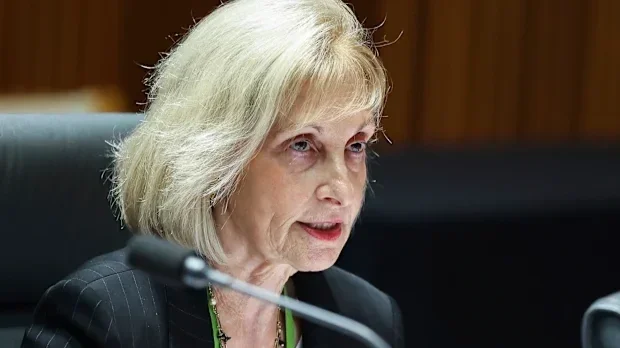
The debate over the International Holocaust Remembrance Alliance (IHRA) definition of antisemitism has become one of the most contentious political and cultural issues in Australia. The recent revelation that both the Australian Broadcasting Corporation and Special Broadcasting Service have declined to formally adopt the definition despite pressure surrounding the federal antisemitism inquiry is significant because it demonstrates that concerns about the IHRA definition are no longer confined to fringe activists or student protest movements.
Critics of the IHRA definition are not denying the existence or seriousness of antisemitism. Most explicitly acknowledge that antisemitism is real, dangerous and increasing. Their concern is that several of the IHRA’s examples blur the line between hatred of Jewish people and criticism of the state of Israel or Zionism.
That concern has been raised by a growing number of Australian organisations, academics and public figures. Many universities resisted adopting the definition for years, with academic boards arguing that it could undermine free speech and academic freedom. Even government-appointed antisemitism envoy Jillian Segal acknowledged that many universities had formally rejected it after extensive internal debate.
The Group of Eight universities also attempted to develop alternative wording rather than adopting the IHRA text outright, largely because of concerns that political criticism of Israel could be mischaracterised as antisemitism.
A number of civil liberties advocates, Palestinian solidarity organisations, academics and human rights lawyers have similarly opposed the definition. Some parliamentary submissions warned that the IHRA framework has already been used internationally to suppress activism, censor discussion about Palestine and discourage criticism of Israeli government policies.
The refusal by the ABC and SBS to adopt the definition is particularly important because both organisations argued that external political definitions should not determine editorial standards or journalism. They maintained that existing hate speech and discrimination policies are already sufficient without importing a politically contested framework.
What is becoming increasingly clear is that opposition to the IHRA definition is not necessarily opposition to combating antisemitism. Rather, many Australians fear that governments and lobby groups are attempting to institutionalise a definition that can, in practice, shield a foreign state from scrutiny during a period of intense global criticism over the treatment of Palestinians.
That is why resistance to the IHRA definition continues to emerge across universities, media organisations, human rights groups and sections of civil society. Whether one supports or opposes the definition, the debate itself reflects a broader struggle over free speech, political dissent and the limits of criticism in modern democracies.
Not Segal, nor Albo, nor Crisafulli, nor any of the racist pigs in certain Jewish lobby groups will deny my right to freedom of speech. And if I end up in jail defending it, you can guarantee the graffiti on my cell walls will read “From the river to the sea, Palestine will be free”.
