RESPECT AND EMPATHY
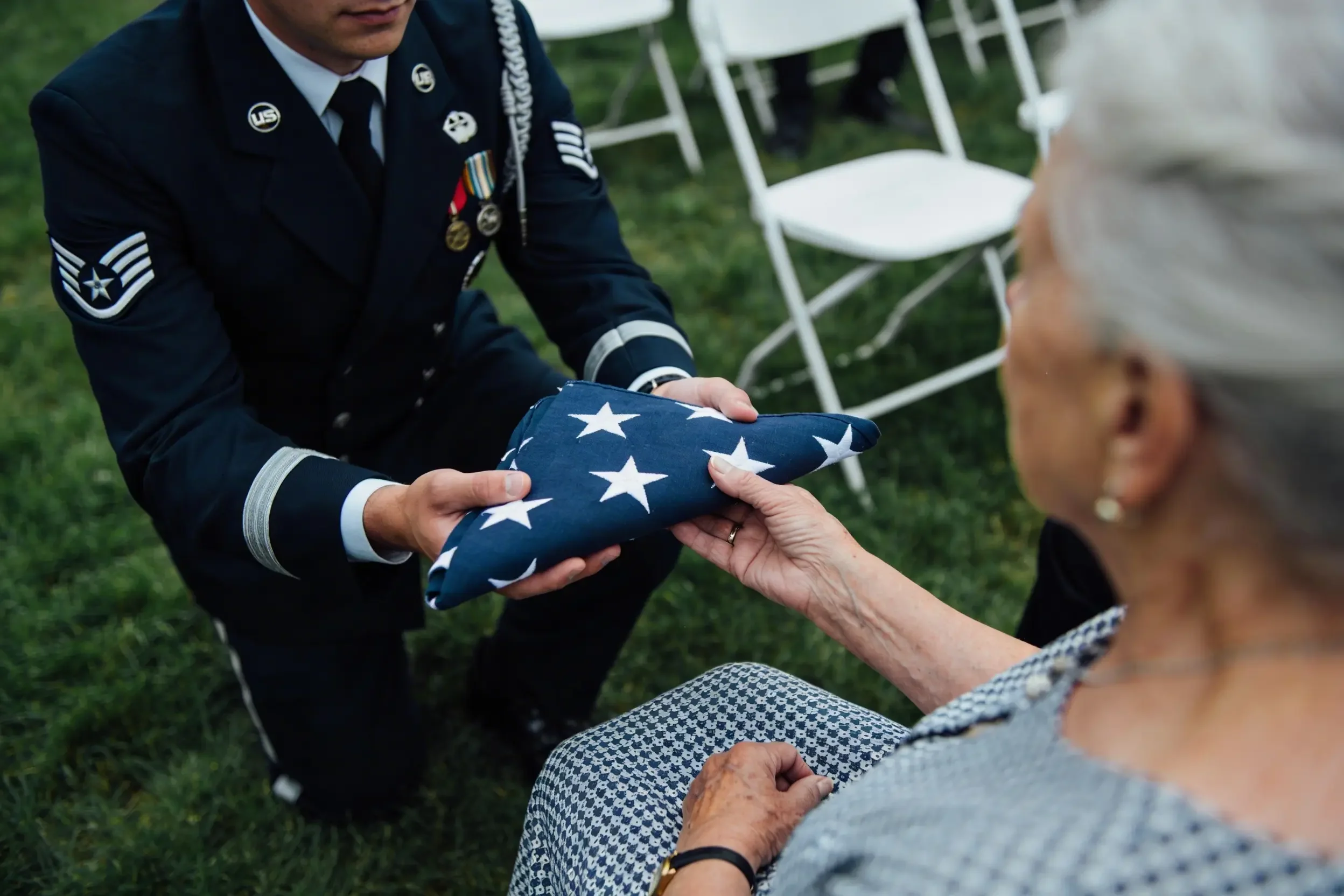
Since Trump’s Iran shitfuckery began, I’ve seen a disturbing amount of online chatter celebrating American deaths and casualties, or wishing for more. Despite my decades-long, very vocal anti-American sentiment, I’ve always maintained that fallen American soldiers deserve our utmost respect and empathy, not hostility or blame. Here’s why.
When I was drafted into the IDF, I had a good idea of why I’d be fighting and some knowledge of the conflict's history. I knew exactly where the borders were, who we were fighting, and what the endgame was. I was conditioned from the day I could talk. From a young age, I knew it was my duty to serve and that I might meet my maker or sustain injuries. When those injuries came, it wasn’t a hard pill to swallow because I believed it happened for the right reasons, and many people I knew suffered the same fate. I now know it was all a lie, but that’s irrelevant.
When forces from Israel, Iran, Hezbollah, or Hamas fight, they do so on or near their own soil, in conflicts that directly involve their borders, their families, their history and their national survival. Whatever one thinks of those governments, the connection between soldier and homeland is immediate and visible. They know what the fight is about because it is happening at their doorstep, and in many cases, it’s a decades-long conflict. They’ve been conditioned their entire lives to hate the enemy, just as I was.
American troops, by contrast, are deployed thousands of miles from home on short notice, into cultures they barely understand, in unfamiliar surroundings, in wars framed through abstract language about stability or global order. They have no personal grievance, no direct threat to their town or family, no connection to the land they were sent to fight in or protect. That distance creates a moral weight, serving loyally while privately confused about how the mission is relevant to them, their family, or their homeland.
If anything, that lack of connection deepens my compassion for them. They trust their leaders. They fulfil their duty. When the reasons for war later appear uncertain or exaggerated, it is the soldier left to carry that burden of doubt.
In Vietnam, young men were drafted to halt the spread of communism under the domino theory. They were told that if Vietnam fell, America itself would eventually be at risk. It didn’t happen. The war ended in defeat, at the cost of more than 58,000 American lives, without any invasion of the United States ever looming.
In Iraq, the 2003 invasion was sold as a defensive necessity. Weapons of mass destruction were said to pose an urgent threat. Those weapons were never found. Thousands of American and allied service members died in a conflict that destabilised a region but did not eliminate any immediate danger to the American homeland.
In Afghanistan, what began as a response to the September 11 attacks became a twenty-year occupation with shifting objectives. Soldiers rotated through multiple deployments, often unsure whether they were fighting terrorism, building a nation, or simply sustaining a mission with no clear endpoint. When the war ended, the Taliban returned to power, and many veterans were left questioning what their sacrifices had secured.
These were not wars fought on American beaches or in American cities. They were not defensive wars. They were wars of projection, influence and geopolitical strategy. That distinction matters. A defensive war is about survival. A war of choice is about power, greed and ego.
None of this diminishes the courage of those who serve. Many enlist believing they are protecting their country, many through lack of other alternatives. The deeper tragedy is that many are never given the full truth about what they are fighting for. I was not, and I’m still angry 50 years on.
In America’s case, intelligence is overstated. Threats are amplified. Political leaders frame distant conflicts as existential dangers because fear mobilises public support more easily than nuance.
Meanwhile, the costs in lives, trauma, and trillions of dollars are borne largely by young people from ordinary backgrounds. The policymakers who authorise these wars rarely face personal consequences when the stated reasons prove false or exaggerated. Soldiers return home battered and broken only to be treated like absolute shit by the cunts who sent them away in the first place. Likewise, the families of those who don’t make it back.
We also need to acknowledge that Trump and Hegseth are the most inept, unhinged, aggressive pair to ever steer the Pentagon toward unpredictable horizons. And as much as I’m against the death penalty, I’d be honoured to pull the lever on both of them.
If a nation is going to ask its young to risk everything, it owes them honesty. Anything less turns patriotism into just another tool of murder.
