THE MYTH OF IMMINENCE
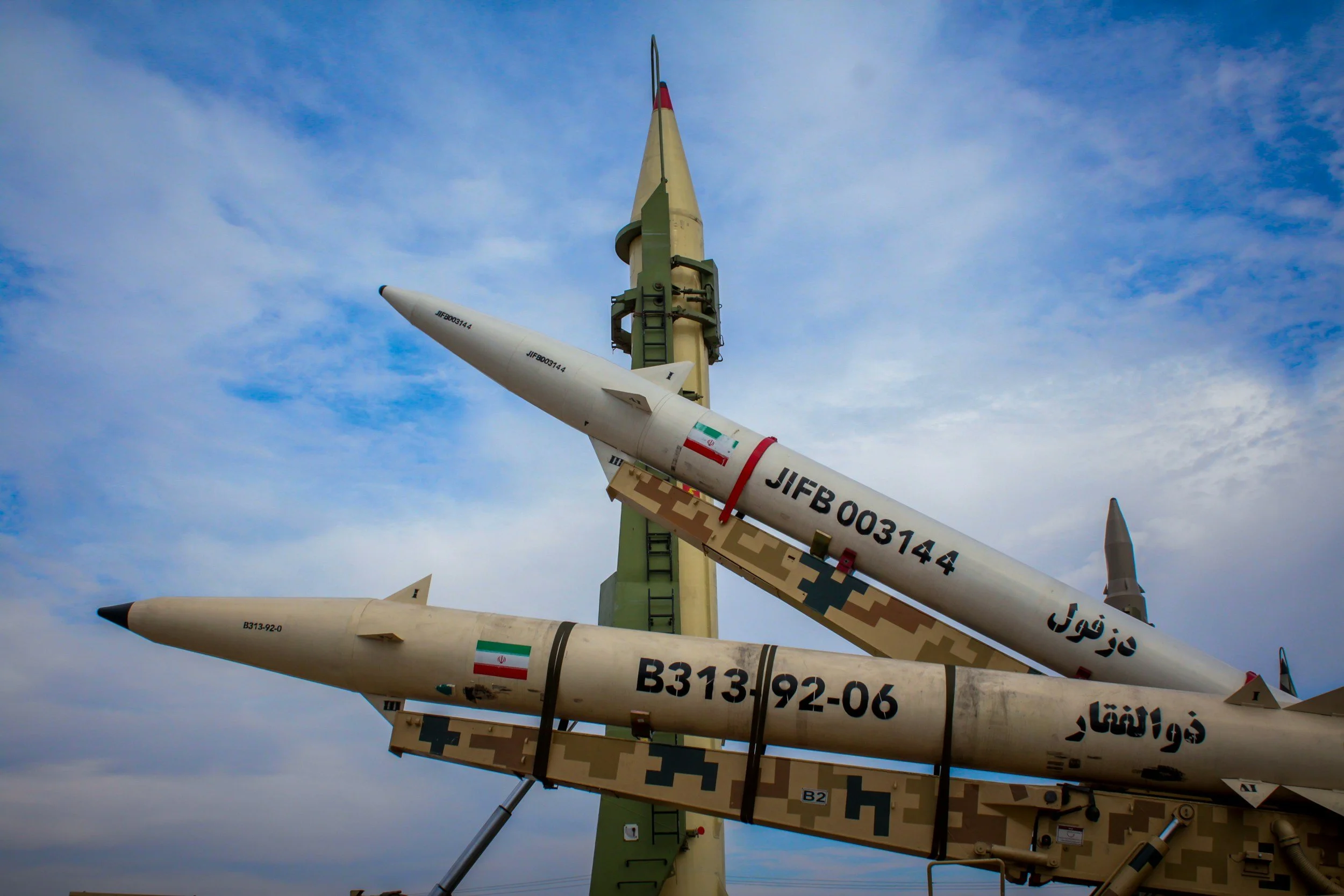
Image courtesy of Unsplash
For years, the public narrative around Iran’s nuclear program has been dominated by a sense of urgency, an insistence that a nuclear weapon is imminent, that time is running out, and that extraordinary measures, including war, are justified to stop it. That narrative has been repeated so often, by so many political figures in the United States, that it has come to feel like settled fact. But when you look closely at the actual evidence, particularly from intelligence agencies and international inspectors, a far more complicated and far less dramatic reality emerges.
One of the most persistent claims has been that Iran is actively building a nuclear weapon. Yet US intelligence assessments have repeatedly undercut that assertion. The US intelligence community has consistently assessed that Iran does not currently have an active nuclear weapons program, and crucially, that its leadership has not made the decision to build a bomb. This distinction matters. Having nuclear capability, technical knowledge, and materials is not the same as pursuing weaponisation. Many countries sit in that grey zone without crossing the line.
Even more striking is the long-standing consensus that Iran halted its structured nuclear weapons program in 2003. That finding, first made public in the 2007 US National Intelligence Estimate, has never been fundamentally reversed. Subsequent reporting, including from the IAEA, has acknowledged pre-2003 weapons-related work, but not an ongoing coordinated weapons program. In other words, the most concrete evidence of weaponisation is more than two decades old.
This sits in tension with political rhetoric that has repeatedly framed Iran as being on the brink of acquiring nuclear weapons. That rhetoric has often blurred an important technical reality: uranium enrichment, even at high levels, is not itself proof of a weapons program. It is a necessary step toward a bomb, but not a sufficient one. The leap from enriched uranium to a deliverable nuclear weapon involves complex engineering, testing, and design work, none of which the IAEA has been able to confirm is currently underway in a structured way.
The IAEA’s role is central. As the UN’s nuclear watchdog, it has had the most direct access to Iran’s facilities. Its findings have been cautious and technical rather than alarmist. At various points, the agency has raised concerns about undeclared materials or lack of transparency, but it has also emphasised that verification and monitoring, when allowed, can provide strong assurance that nuclear material is not diverted to weapons. The problem, more often than not, has been political breakdowns that reduce inspection access, rather than clear evidence of an active weapons program.
Then there is the Joint Comprehensive Plan of Action (JCPOA), the 2015 agreement between Iran and world powers. The deal imposed strict limits on enrichment, stockpiles, and centrifuge use, while establishing one of the most intrusive inspection regimes ever negotiated. At the time, even critics acknowledged that the agreement significantly extended Iran’s “breakout time”—the time it would take to produce enough fissile material for a bomb—and placed the program under continuous monitoring. The JCPOA did not rely on trust; it relied on verification.
Despite this, US political discourse often portrayed the agreement as ineffective or deceptive. Yet when the deal was in full effect, the IAEA repeatedly verified Iran’s compliance. It was only after the United States withdrew from the agreement in 2018 that Iran began expanding its enrichment activities again, reducing transparency in response to sanctions and pressure. This sequence is often omitted or downplayed in political narratives.
Another element frequently ignored or dismissed is the religious ruling, or fatwa, issued by Iran’s Supreme Leader, Ali Khamenei, declaring nuclear weapons to be forbidden under Islamic law. First articulated in the early 2000s, this position has been reiterated in various forms, stating that the production and use of nuclear weapons are morally and religiously prohibited. While critics argue that such rulings could change under pressure, the fact remains that this stance has been part of Iran’s official doctrine for decades and has even been referenced by Western leaders in diplomatic contexts.
What complicates matters further is the gap between technical assessments and political messaging. Intelligence agencies tend to speak in probabilities, caveats, and uncertainties. Politicians, particularly in times of tension, often prefer certainty and urgency. That gap creates space for exaggeration. Claims that military strikes have “eliminated” Iran’s nuclear program have been contradicted by intelligence assessments suggesting only limited or temporary setbacks. Similarly, assertions that Iran is on the verge of a weapon have coexisted with intelligence findings that such a step would still require a deliberate political decision and additional time.
None of this suggests there are no concerns. Iran has expanded enrichment to levels far beyond what is needed for civilian energy, and it has, at times, restricted inspector access, creating legitimate uncertainty. The IAEA has also pointed to unresolved questions about undeclared nuclear material. These are serious issues. But they are not the same as evidence of an active, imminent weapons program, and conflating the two has been a recurring feature of political discourse.
What emerges is a pattern. Intelligence assessments tend to be cautious, conditional, and often less dramatic than political statements. International inspectors report both compliance and concerns, depending on the period and level of access. Political leaders, particularly in the United States, have at times emphasised worst-case scenarios, framed uncertainties as certainties, and presented selective interpretations of the evidence to build public support for pressure campaigns or military action.
The result is a persistent gap between perception and reality. The image of Iran as perpetually “months away” from a nuclear weapon has been remarkably durable, even as the underlying evidence has shifted, stalled, or contradicted that claim over time. It is a narrative that has proven politically useful, but one that sits uneasily alongside the more nuanced findings of the very agencies tasked with assessing the threat.
Understanding that gap is essential. It does not require defending Iran’s actions or dismissing legitimate concerns. It simply requires recognising that the story is more complex than it is often presented, and that decisions about war and peace have too often been shaped by rhetoric that goes well beyond what the evidence can actually support.
